Pregnancy Tissue Discharge After Abortion - Sepsis after an abortion refers to a serious infection in the uterus that develops after a pregnancy loss, induced abortion, or incomplete. This is caused by leftover pregnancy tissue that hasn’t been. Retained products of conception (rpoc) refers to fetal or placental tissue that remains in your uterus after a pregnancy. Breast discharge — after a later abortion, some people experience breast pain, firmness (also called engorgement), and yellowish. After an abortion, the main risk is infection in the uterus (womb). Rpoc are more common when.
This is caused by leftover pregnancy tissue that hasn’t been. Sepsis after an abortion refers to a serious infection in the uterus that develops after a pregnancy loss, induced abortion, or incomplete. Breast discharge — after a later abortion, some people experience breast pain, firmness (also called engorgement), and yellowish. After an abortion, the main risk is infection in the uterus (womb). Retained products of conception (rpoc) refers to fetal or placental tissue that remains in your uterus after a pregnancy. Rpoc are more common when.
After an abortion, the main risk is infection in the uterus (womb). Breast discharge — after a later abortion, some people experience breast pain, firmness (also called engorgement), and yellowish. This is caused by leftover pregnancy tissue that hasn’t been. Rpoc are more common when. Sepsis after an abortion refers to a serious infection in the uterus that develops after a pregnancy loss, induced abortion, or incomplete. Retained products of conception (rpoc) refers to fetal or placental tissue that remains in your uterus after a pregnancy.

Opinion Early Abortion Looks Nothing Like What You’ve Been Told The
Rpoc are more common when. Retained products of conception (rpoc) refers to fetal or placental tissue that remains in your uterus after a pregnancy. This is caused by leftover pregnancy tissue that hasn’t been. Sepsis after an abortion refers to a serious infection in the uterus that develops after a pregnancy loss, induced abortion, or incomplete. Breast discharge — after.
:max_bytes(150000):strip_icc()/VWH_Illustration_A-Guide-to-Discharge-Color-During-Pregnancy_Illustrator_Katie-Kerpel_Final-c2f81059281e443f9f3b6bf19229a7bb.jpg)
Yellow Discharge During Pregnancy What to Know
This is caused by leftover pregnancy tissue that hasn’t been. Sepsis after an abortion refers to a serious infection in the uterus that develops after a pregnancy loss, induced abortion, or incomplete. Retained products of conception (rpoc) refers to fetal or placental tissue that remains in your uterus after a pregnancy. After an abortion, the main risk is infection in.
/what-does-an-early-miscarriage-look-like-2371235_FINAL-3bd3a25d94e24ad4823d74eef739f4e4.png)
Miscarriage or Period How to Tell the Difference
Breast discharge — after a later abortion, some people experience breast pain, firmness (also called engorgement), and yellowish. After an abortion, the main risk is infection in the uterus (womb). Retained products of conception (rpoc) refers to fetal or placental tissue that remains in your uterus after a pregnancy. Sepsis after an abortion refers to a serious infection in the.
Bleeding After Abortion? What to Expect Austin Women's Health Center
Retained products of conception (rpoc) refers to fetal or placental tissue that remains in your uterus after a pregnancy. Breast discharge — after a later abortion, some people experience breast pain, firmness (also called engorgement), and yellowish. Rpoc are more common when. This is caused by leftover pregnancy tissue that hasn’t been. Sepsis after an abortion refers to a serious.

Opinion Early Abortion Looks Nothing Like What You’ve Been Told The
Retained products of conception (rpoc) refers to fetal or placental tissue that remains in your uterus after a pregnancy. This is caused by leftover pregnancy tissue that hasn’t been. Breast discharge — after a later abortion, some people experience breast pain, firmness (also called engorgement), and yellowish. Sepsis after an abortion refers to a serious infection in the uterus that.
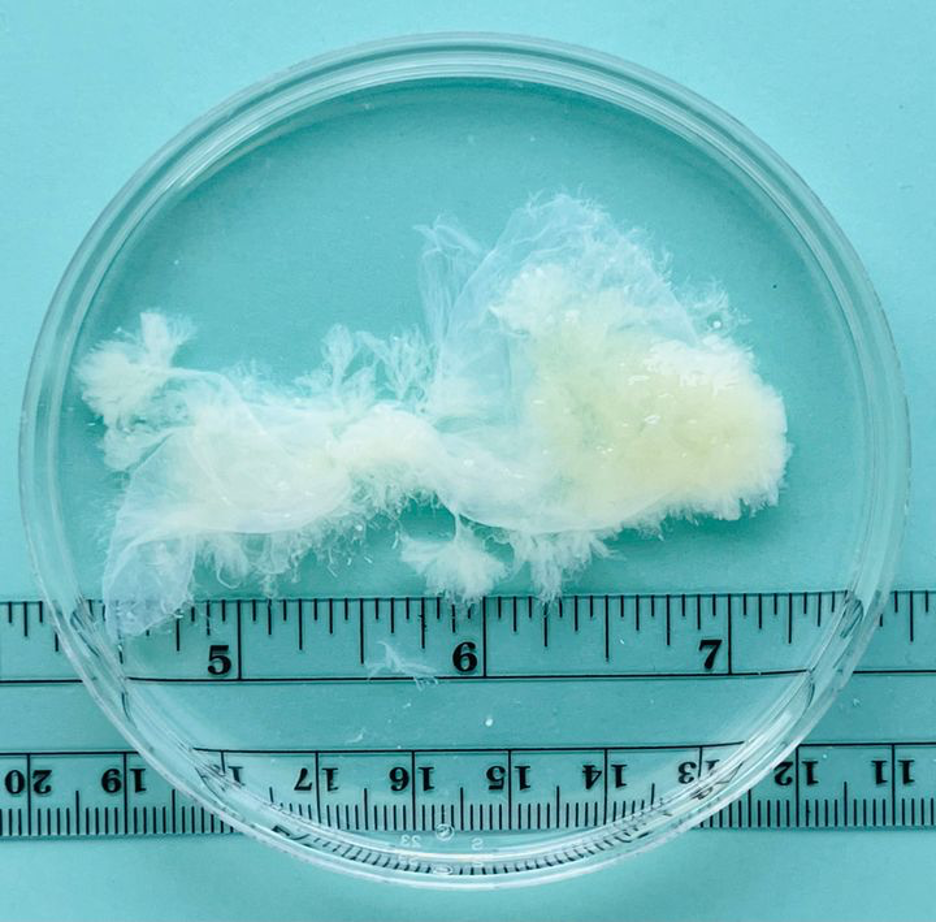
Physicians Share Photos of Early Pregnancy Tissue 'We Just Want People
This is caused by leftover pregnancy tissue that hasn’t been. After an abortion, the main risk is infection in the uterus (womb). Rpoc are more common when. Sepsis after an abortion refers to a serious infection in the uterus that develops after a pregnancy loss, induced abortion, or incomplete. Breast discharge — after a later abortion, some people experience breast.
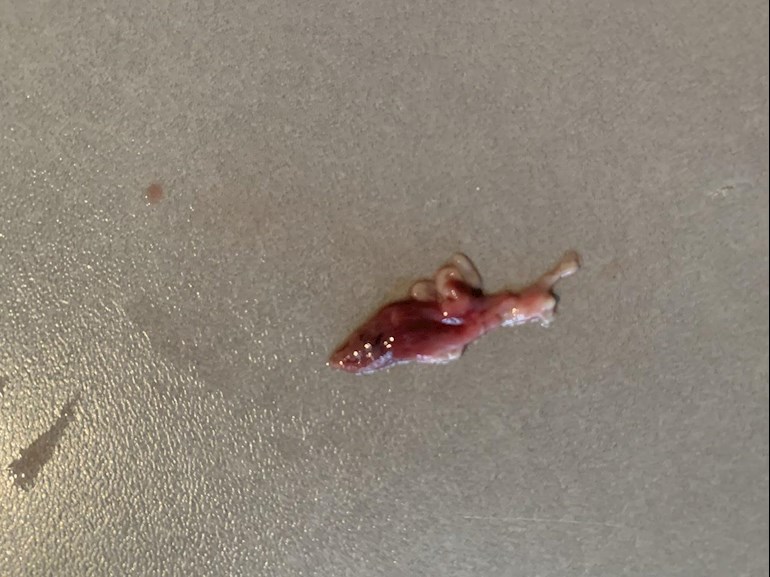
Tissue like discharge About 5 weeks... Pregnancy and Par...
This is caused by leftover pregnancy tissue that hasn’t been. After an abortion, the main risk is infection in the uterus (womb). Sepsis after an abortion refers to a serious infection in the uterus that develops after a pregnancy loss, induced abortion, or incomplete. Retained products of conception (rpoc) refers to fetal or placental tissue that remains in your uterus.

Opinion What Tissue From an Early Abortion Shows The New York Times
Breast discharge — after a later abortion, some people experience breast pain, firmness (also called engorgement), and yellowish. Retained products of conception (rpoc) refers to fetal or placental tissue that remains in your uterus after a pregnancy. After an abortion, the main risk is infection in the uterus (womb). Rpoc are more common when. This is caused by leftover pregnancy.

6 weeks today and brown discharge??? What is this?? No cramping, but I
Rpoc are more common when. After an abortion, the main risk is infection in the uterus (womb). Breast discharge — after a later abortion, some people experience breast pain, firmness (also called engorgement), and yellowish. Retained products of conception (rpoc) refers to fetal or placental tissue that remains in your uterus after a pregnancy. Sepsis after an abortion refers to.
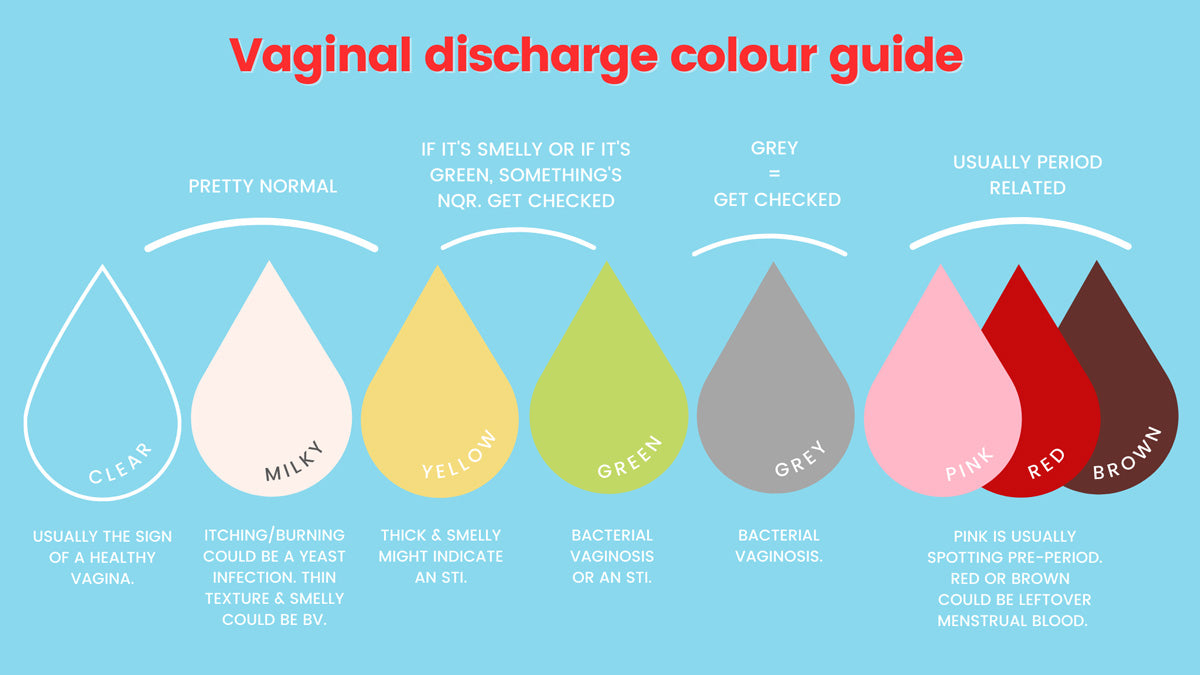
What does my discharge mean? All your FAQs Moxie
Breast discharge — after a later abortion, some people experience breast pain, firmness (also called engorgement), and yellowish. Retained products of conception (rpoc) refers to fetal or placental tissue that remains in your uterus after a pregnancy. Sepsis after an abortion refers to a serious infection in the uterus that develops after a pregnancy loss, induced abortion, or incomplete. Rpoc.
Retained Products Of Conception (Rpoc) Refers To Fetal Or Placental Tissue That Remains In Your Uterus After A Pregnancy.
After an abortion, the main risk is infection in the uterus (womb). This is caused by leftover pregnancy tissue that hasn’t been. Rpoc are more common when. Sepsis after an abortion refers to a serious infection in the uterus that develops after a pregnancy loss, induced abortion, or incomplete.