Brown Discharge At 36 Weeks Of Pregnancy - Losing your mucus plug means it is becoming dislodged, which is one sign your cervix is softening and opening up to prepare your body for childbirth. Brown discharge during pregnancy, especially toward the end, may be a sign that your mucus plug has or is passing, but it’s not. You notice an increase in 36 weeks pregnant discharge (you have not reached 37 th week of pregnancy) or the nature of the discharge. Other symptoms include severe nausea and vomiting, abdominal.
Brown discharge during pregnancy, especially toward the end, may be a sign that your mucus plug has or is passing, but it’s not. You notice an increase in 36 weeks pregnant discharge (you have not reached 37 th week of pregnancy) or the nature of the discharge. Losing your mucus plug means it is becoming dislodged, which is one sign your cervix is softening and opening up to prepare your body for childbirth. Other symptoms include severe nausea and vomiting, abdominal.
Brown discharge during pregnancy, especially toward the end, may be a sign that your mucus plug has or is passing, but it’s not. You notice an increase in 36 weeks pregnant discharge (you have not reached 37 th week of pregnancy) or the nature of the discharge. Losing your mucus plug means it is becoming dislodged, which is one sign your cervix is softening and opening up to prepare your body for childbirth. Other symptoms include severe nausea and vomiting, abdominal.

Understanding Brown Discharge During Pregnancy Causes And What To
Brown discharge during pregnancy, especially toward the end, may be a sign that your mucus plug has or is passing, but it’s not. Other symptoms include severe nausea and vomiting, abdominal. Losing your mucus plug means it is becoming dislodged, which is one sign your cervix is softening and opening up to prepare your body for childbirth. You notice an.
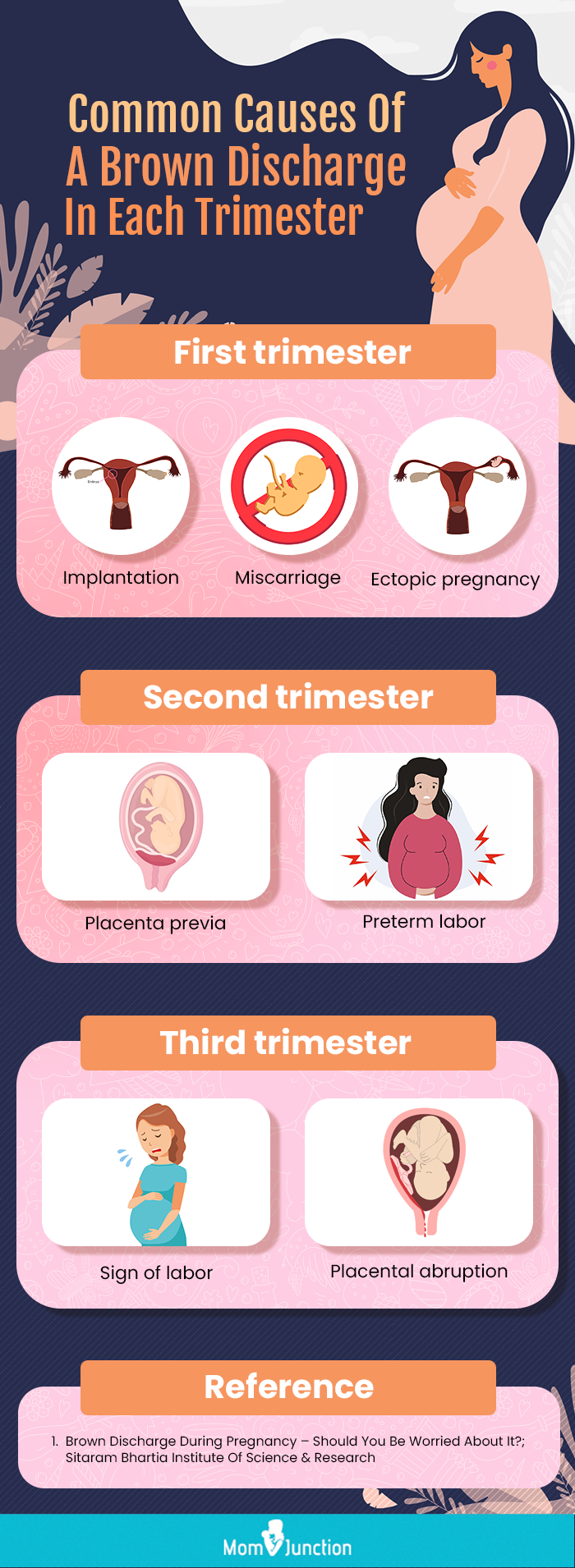
Brown Discharge During Pregnancy Is It Normal And Causes
Brown discharge during pregnancy, especially toward the end, may be a sign that your mucus plug has or is passing, but it’s not. You notice an increase in 36 weeks pregnant discharge (you have not reached 37 th week of pregnancy) or the nature of the discharge. Losing your mucus plug means it is becoming dislodged, which is one sign.

Understanding Brown Discharge During Pregnancy When Is It A Cause For
Brown discharge during pregnancy, especially toward the end, may be a sign that your mucus plug has or is passing, but it’s not. Losing your mucus plug means it is becoming dislodged, which is one sign your cervix is softening and opening up to prepare your body for childbirth. Other symptoms include severe nausea and vomiting, abdominal. You notice an.
Is It Normal To Have Brown Discharge During Pregnancy?
Brown discharge during pregnancy, especially toward the end, may be a sign that your mucus plug has or is passing, but it’s not. Other symptoms include severe nausea and vomiting, abdominal. You notice an increase in 36 weeks pregnant discharge (you have not reached 37 th week of pregnancy) or the nature of the discharge. Losing your mucus plug means.

Brown Discharge During Pregnancy 10 Top Causes, Symptoms and Treatment
You notice an increase in 36 weeks pregnant discharge (you have not reached 37 th week of pregnancy) or the nature of the discharge. Losing your mucus plug means it is becoming dislodged, which is one sign your cervix is softening and opening up to prepare your body for childbirth. Brown discharge during pregnancy, especially toward the end, may be.
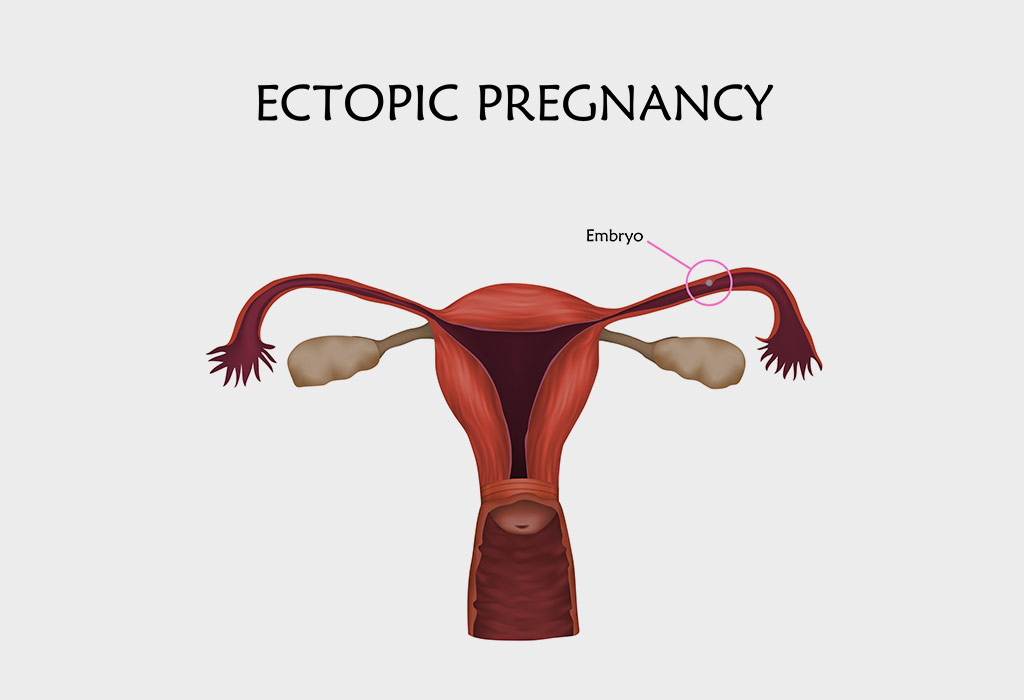
Causes of brown discharge in pregnancy
Other symptoms include severe nausea and vomiting, abdominal. Brown discharge during pregnancy, especially toward the end, may be a sign that your mucus plug has or is passing, but it’s not. You notice an increase in 36 weeks pregnant discharge (you have not reached 37 th week of pregnancy) or the nature of the discharge. Losing your mucus plug means.
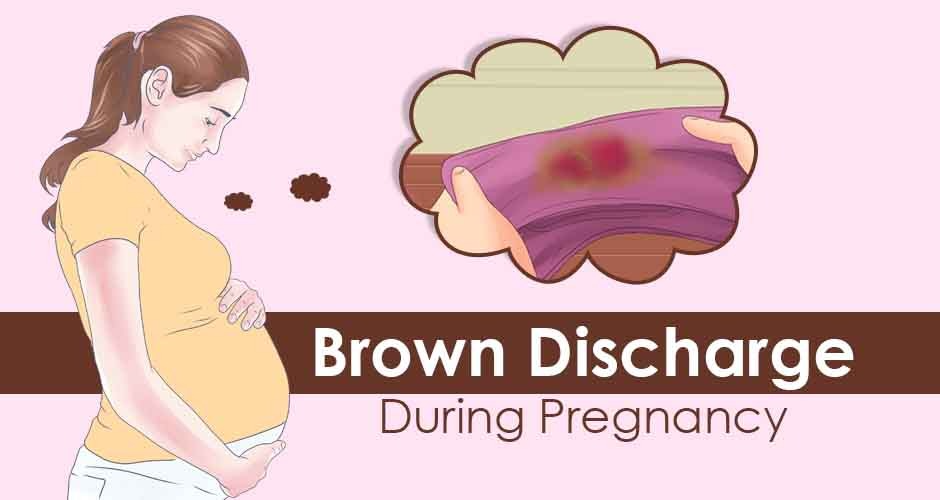
How to Stop Brown Discharge During Pregnancy? What to Do?
Other symptoms include severe nausea and vomiting, abdominal. Brown discharge during pregnancy, especially toward the end, may be a sign that your mucus plug has or is passing, but it’s not. You notice an increase in 36 weeks pregnant discharge (you have not reached 37 th week of pregnancy) or the nature of the discharge. Losing your mucus plug means.

Brown discharge 36 weeks Netmums Chat
Other symptoms include severe nausea and vomiting, abdominal. Losing your mucus plug means it is becoming dislodged, which is one sign your cervix is softening and opening up to prepare your body for childbirth. You notice an increase in 36 weeks pregnant discharge (you have not reached 37 th week of pregnancy) or the nature of the discharge. Brown discharge.
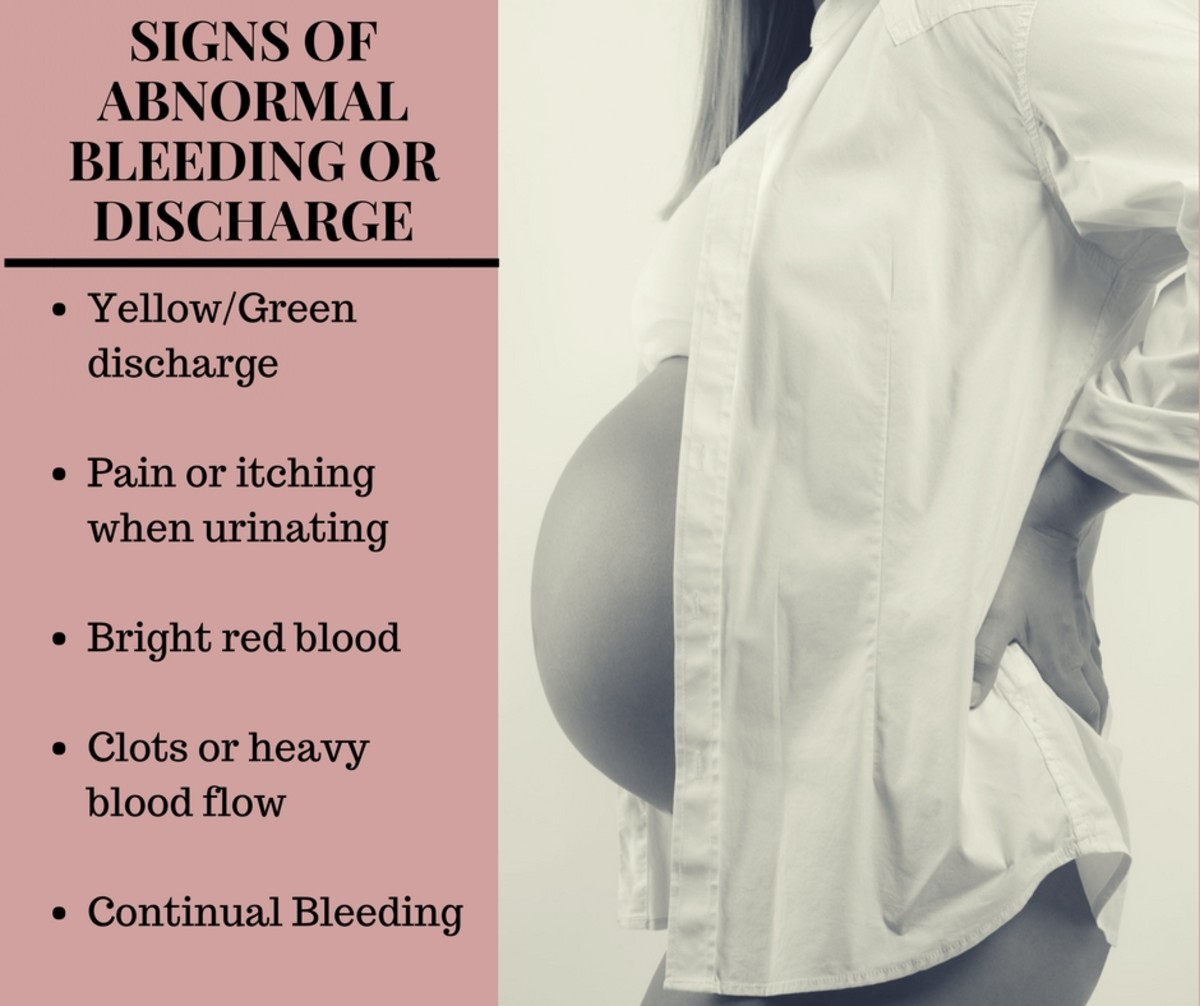
An Explanation of Bleeding & Spotting During Pregnancy WeHaveKids
Losing your mucus plug means it is becoming dislodged, which is one sign your cervix is softening and opening up to prepare your body for childbirth. You notice an increase in 36 weeks pregnant discharge (you have not reached 37 th week of pregnancy) or the nature of the discharge. Brown discharge during pregnancy, especially toward the end, may be.
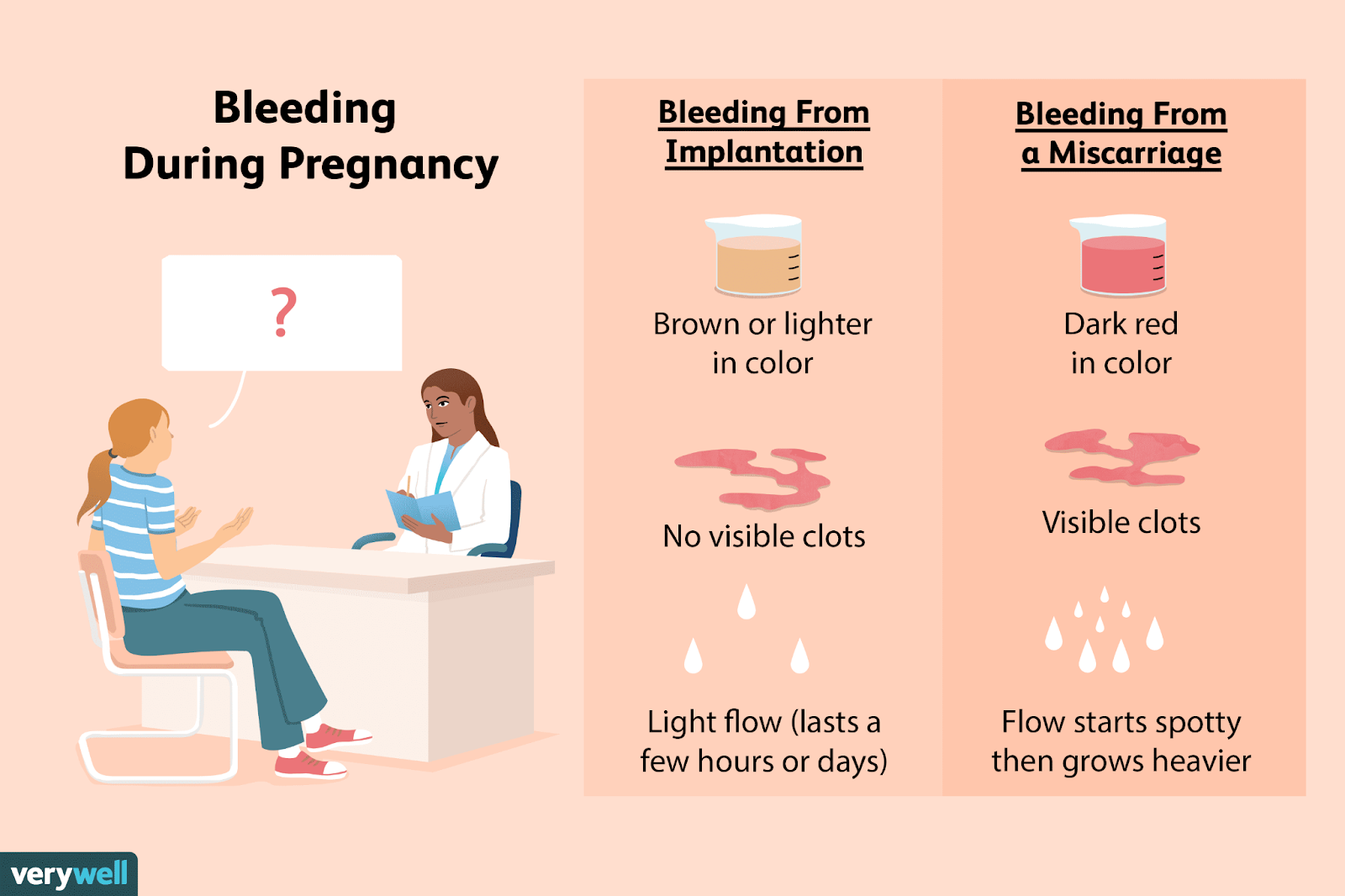
How to Stop Brown Discharge During Pregnancy? What to Do?
You notice an increase in 36 weeks pregnant discharge (you have not reached 37 th week of pregnancy) or the nature of the discharge. Other symptoms include severe nausea and vomiting, abdominal. Brown discharge during pregnancy, especially toward the end, may be a sign that your mucus plug has or is passing, but it’s not. Losing your mucus plug means.
Other Symptoms Include Severe Nausea And Vomiting, Abdominal.
Losing your mucus plug means it is becoming dislodged, which is one sign your cervix is softening and opening up to prepare your body for childbirth. Brown discharge during pregnancy, especially toward the end, may be a sign that your mucus plug has or is passing, but it’s not. You notice an increase in 36 weeks pregnant discharge (you have not reached 37 th week of pregnancy) or the nature of the discharge.